
How to prepare your home for the market before you bring in the pros
You don't need to renovate your home before selling it. A few thoughtful steps can make a big difference before you call a REALTOR®.
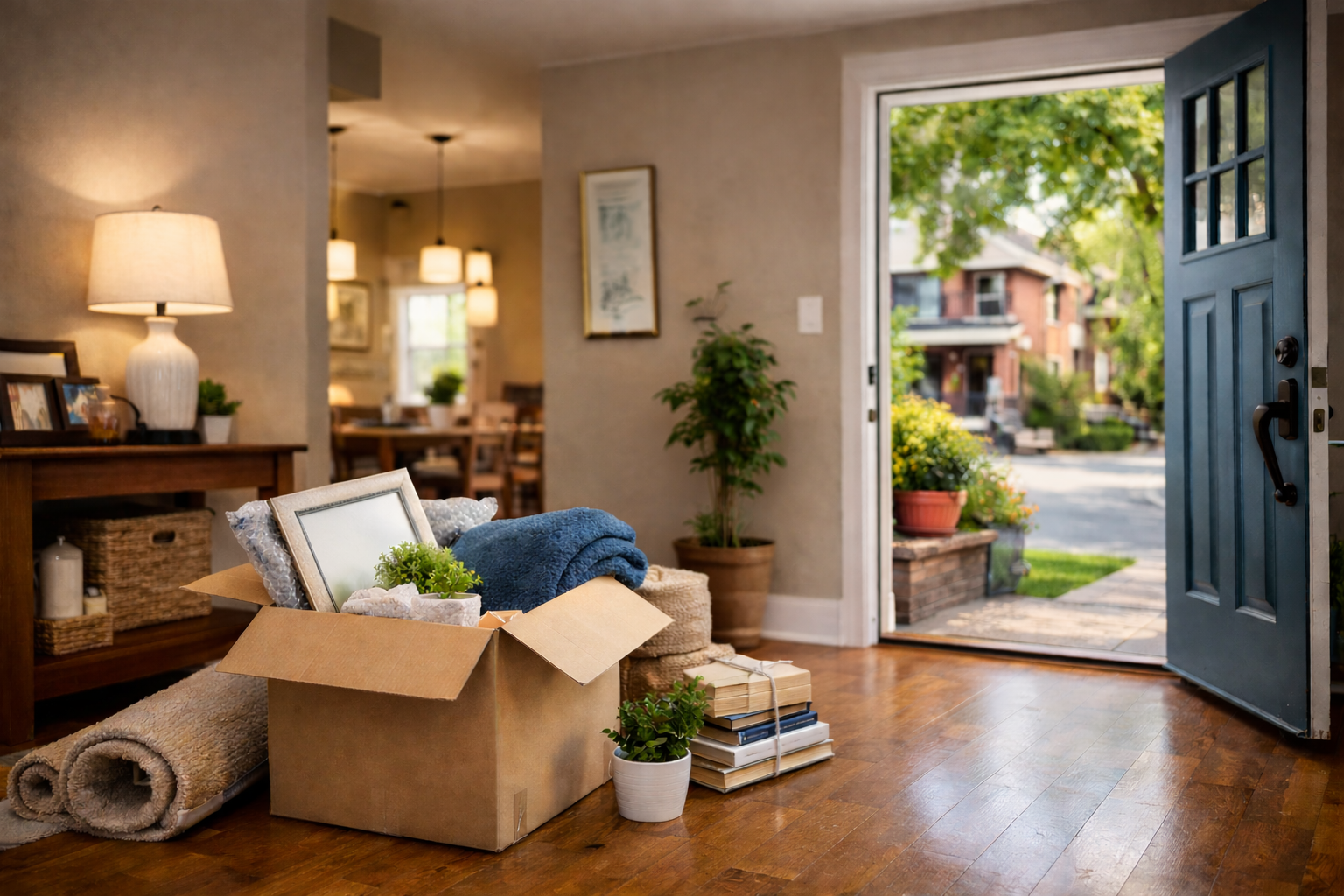
Most people don't wake up one morning and decide to sell their home.
Usually, it starts with a conversation. Maybe you've outgrown the space. Maybe the kids have moved out. Maybe you're wondering what your home is worth and whether it's the right time for a change.
If you're in that stage, there are a few things you can do before calling an agent, stager, or photographer. None of them involve expensive renovations. And none of them require rushing.
Start by looking at your home differently
One of the first things I suggest is walking through your home as if you're seeing it for the first time.
Try to look at it through a buyer's eyes.
Which rooms feel bright and welcoming? Which spaces feel crowded or have become catch-all areas over the years?
This isn't about criticizing your home. It's about seeing what someone else will notice.
Often, the biggest improvement comes from simply editing the space. Clear the countertops. Pack away some of the décor and personal items. Rearrange furniture if a room feels tight. Create a little breathing room.
A good rule of thumb is to pack away about 25% of what's on display, including in closets. Buyers love storage, and a well-organized closet always feels bigger.
Focus on the small details
The little things matter more than most people realize.
Replace burnt-out light bulbs. Clean the windows. Wipe down baseboards. Tighten loose cabinet handles. Touch up chipped paint where it stands out.
None of these jobs are expensive, but together they tell buyers that the home has been well cared for.
That's especially true here in East Toronto, where many homes have plenty of character and history. Buyers appreciate charm, but they also notice signs of ongoing maintenance.
Don't assume you need to renovate
This is where I see homeowners spend money they often don't need to.
It's easy to focus on an older kitchen or a bathroom that isn't perfectly up to date and think you have to renovate before listing.
In many cases, that's simply not true.
Unless something is broken, unsafe, or preventing financing, I'd recommend holding off until you've had a conversation with a real estate agent. Buyers often expect to personalize kitchens and bathrooms themselves. Spending tens of thousands of dollars before selling doesn't always translate into a higher sale price.
The goal isn't perfection. It's presenting a clean, well-maintained home that buyers can picture themselves living in.
Don't overlook first impressions
Before anyone walks through your front door, they've already started forming an opinion.
A tidy front yard, a swept walkway, trimmed landscaping, and a clean front entrance all help create a positive first impression.
Inside, keep the entry uncluttered and welcoming. It sets the tone for everything that follows.
You don't need elaborate landscaping or major curb appeal projects. You just want buyers to feel that the home has been cared for.
Give yourself time
Preparing to sell isn't just about the house. It's about you, too.
If you've lived in your home for years, this is more than a financial transaction. It's where birthdays happened, holidays were celebrated, and everyday life unfolded.
Starting the preparation process early gives you time to make thoughtful decisions without feeling rushed. It also makes the eventual move much less stressful.
Before you spend money, get advice
One of the biggest mistakes I see is homeowners spending money on projects that won't meaningfully increase the value of their home.
Before you hire contractors or start tackling a long renovation list, I'd encourage you to have a conversation with someone who understands today's market.
Sometimes the best advice is to leave something exactly as it is.
If you're thinking about selling your home in East Toronto—even if it's six months or a year away—I'm happy to walk through your home with you and give you honest advice about what's worth doing, what isn't, and how to prepare when the time is right.
There's no pressure to list. Sometimes the best first step is simply having a plan.